Source Outdoor Camping Kerosene Heater for Hiking, Travel, and Home
Find 30 verified options for outdoor camping kerosene heater suitable for hiking, travel, and home use. Compare portable models with varying tank capacities, weights, and power settings from Chinese manufacturers to find the right fit for your needs; compare the available evidence and request quotations based on your requirements.
Key considerations
Products List






Comprehensive Sourcing Guide
Outdoor Camping Kerosene Heater Sourcing Guide
Sourcing outdoor camping kerosene heaters requires balancing portability with reliable heat output for diverse environments. The observed market includes models designed for industrial, home, and commercial use, indicating a broad application spectrum that extends beyond simple recreational camping. Buyers must distinguish between units intended for temporary outdoor events and those suitable for long-term residential heating, as the engineering requirements differ significantly. The presence of portable designs with specific dimensions, such as 49.546.052.0CM, suggests that logistics and storage efficiency are critical factors in the selection process.
Procurement decisions should also account for the variety of power sources available, ranging from electric to kerosene fuel. While electric options offer convenience, kerosene models provide independence from grid infrastructure, which is vital for remote camping or emergency scenarios. The observed listings highlight features like ventilation systems and multiple heat settings, which are essential for safety and user comfort. Understanding these operational differences allows buyers to align their procurement strategy with the specific needs of their end-users, ensuring that the selected heaters meet both performance expectations and safety standards in various seasonal conditions.
Product Scope and Observed Listing Signals
The current market landscape for kerosene heaters includes a wide range of models, from compact camping stoves to larger industrial units. Observed product attributes indicate that many units are portable and customizable, catering to brands seeking OEM solutions. Specific models like the MF75X-230MA and SN-120M suggest a diversity in design and capacity, with some units featuring medium sizing and others optimized for specific weight constraints. The presence of packaging details, such as master cartons and single-item units, highlights the importance of supply chain efficiency and retail readiness in the sourcing process.
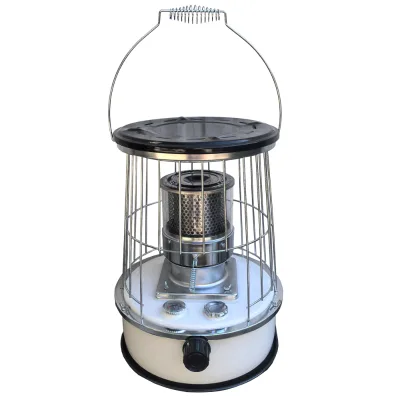
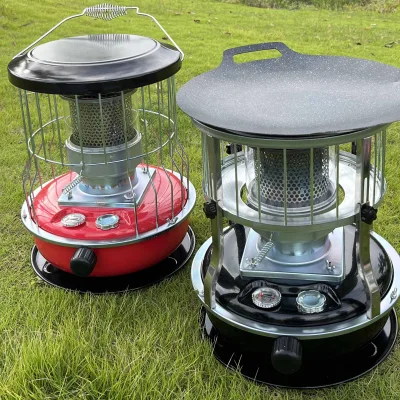
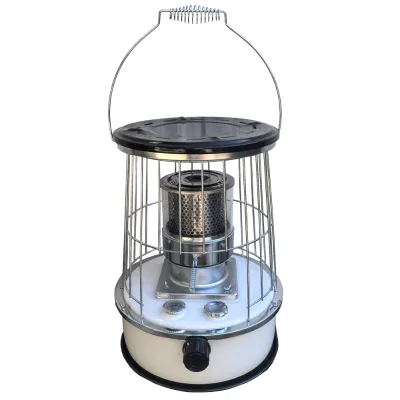
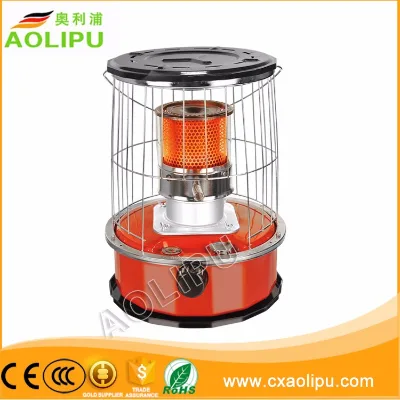
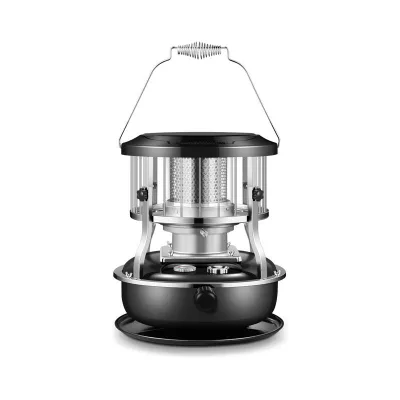
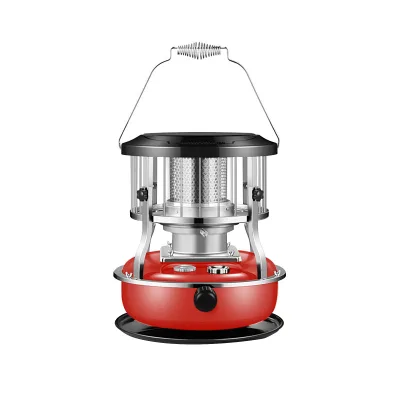
Buyers should note the variation in material composition and color options, which often include red, black, and white finishes. These aesthetic choices can influence market appeal, particularly for consumer-facing brands. Additionally, the observed weight ranges, such as 4.2kg to 4.8kgs, provide insight into the portability of the units. Heavier units may offer greater durability or fuel capacity, while lighter models prioritize ease of transport for hiking and traveling. This diversity in product scope requires buyers to carefully evaluate the trade-offs between durability, capacity, and portability when selecting suppliers.
Technical Specifications to Verify
Verifying technical specifications is crucial to ensure that the heaters meet the intended performance criteria. Key attributes to confirm include the power supply mode, with some units operating on kerosene fuel and others on electric power. For kerosene models, verifying the tank capacity, such as 5.3L, is essential for determining burn time and fuel efficiency. Additionally, the presence of core components like motors in electric units should be validated to ensure reliability and longevity. Buyers should also check the voltage requirements, such as 220V, to ensure compatibility with the target market's electrical infrastructure.
Dimensional specifications, including size and weight, must be cross-referenced with packaging dimensions to optimize shipping costs. For instance, models with dimensions like 32.532.547cm require careful planning for container loading. Heat settings, ranging from low to high, should be tested to ensure consistent performance across different operating conditions. Furthermore, the material composition, often metal, should be assessed for corrosion resistance and durability, especially for units intended for outdoor use. These technical verifications help mitigate the risk of receiving products that do not meet the specified performance standards.
Compliance and Safety Documentation
Safety is paramount when sourcing kerosene heaters, given the potential risks associated with fuel-based heating devices. Buyers must ensure that suppliers provide comprehensive safety documentation, including machinery test reports, although some observed listings indicate these may not be available. It is critical to verify that the heaters comply with relevant safety standards, such as UL 1278, which governs the performance of portable fuel-burning heaters. Compliance with these standards ensures that the products have undergone rigorous testing for stability, emissions, and operational safety.
Additionally, certifications like CE mark the product's conformity with health, safety, and environmental protection standards for products sold within the European Economic Area. Buyers should request evidence of these certifications from suppliers to avoid regulatory hurdles in their target markets. The absence of certain test reports or certifications can pose significant risks, including product recalls or legal liabilities. Therefore, establishing a clear requirement for complete safety documentation is a non-negotiable aspect of the procurement process, ensuring that all supplied heaters meet the highest safety benchmarks.
Cost Drivers and Commercial Terms
Understanding the cost drivers and commercial terms is essential for effective budgeting and negotiation. The observed MOQ ranges from 1 to 1200 pieces, offering flexibility for both small-scale buyers and large distributors. Higher MOQs may result in lower unit costs, but buyers must balance this with inventory holding costs and market demand forecasts. The price range of 1-120 USD reflects the diversity in product quality, features, and brand positioning, requiring buyers to align their budget with their target market segment.
Commercial terms also include packaging and shipping considerations, which can significantly impact the total landed cost. Units packed in master cartons or single-item cartons may have different handling and storage requirements. Buyers should negotiate clear terms regarding lead times, payment methods, and warranty provisions. Additionally, customization options, such as branding and packaging design, may incur additional costs but can enhance brand value. A thorough understanding of these commercial dynamics allows buyers to structure deals that maximize value while minimizing financial risk.
Supplier Qualification and Quality Control
Supplier qualification is a critical step in ensuring the reliability and consistency of the supply chain. Buyers should assess suppliers based on their production capabilities, quality management systems, and track record in the industry. Given that many suppliers are located in Zhejiang, China, buyers should verify the supplier's ability to maintain consistent quality across large production runs. Requesting samples and conducting factory audits can provide valuable insights into the supplier's operational standards and quality control processes.
Quality control measures should include pre-shipment inspections to verify that the products meet the agreed-upon specifications. This includes checking dimensions, weight, material quality, and functional performance. Buyers should also establish clear criteria for defect rates and return policies to protect against substandard products. Collaborating with suppliers to implement continuous improvement initiatives can further enhance product quality and reliability. By prioritizing supplier qualification and rigorous quality control, buyers can build a resilient supply chain that delivers high-quality kerosene heaters to their customers.
Long-Term Procurement Checks
Long-term procurement success depends on continuous monitoring and evaluation of supplier performance and market trends. Buyers should establish key performance indicators (KPIs) to track supplier reliability, product quality, and delivery times. Regular reviews of these metrics can help identify potential issues early and facilitate corrective actions. Additionally, staying informed about changes in safety regulations and industry standards is crucial to ensure ongoing compliance. Buyers should proactively engage with suppliers to address any emerging challenges or opportunities in the market.
Building strong relationships with suppliers can also lead to better pricing, priority production, and access to new product innovations. Buyers should consider diversifying their supplier base to mitigate risks associated with single-source dependencies. Furthermore, gathering feedback from end-users can provide valuable insights into product performance and areas for improvement. By maintaining a strategic approach to procurement, buyers can ensure that their kerosene heater offerings remain competitive, safe, and aligned with market demands over the long term.
FAQs
How portable is an outdoor camping kerosene heater for trips?
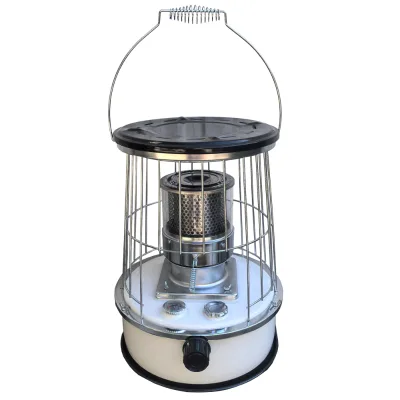
These heaters are designed to be portable, with typical net weights around 4.2 to 4.8 kilograms, making them manageable to carry to campsites. Units in the 4.6L to 5.3L tank range balance runtime against carry weight. Pack each heater in its carton during transport and let it cool fully before packing to avoid damage or fuel spills.
What tank capacity and runtime can buyers expect from these heaters?
Listed models include tank capacities of 4.6L and 5.3L, which support several hours of continuous heating or cooking on a full fill. Actual runtime depends on the heat setting selected, with low, medium, and high settings consuming fuel at different rates. For longer trips, carry approved kerosene in sealed containers and refill only outdoors.
Which heat settings do outdoor camping kerosene heaters offer?
These kerosene heaters typically provide low, medium, and high heat settings, letting you adjust output for cooking, warming a tent vestibule, or general outdoor comfort. Start on low when lighting, then increase gradually. Because kerosene combustion needs ventilation, always use the heater in open or well-ventilated spaces and never leave it running unattended while sleeping.
Can these heaters be used for cooking as well as heating?
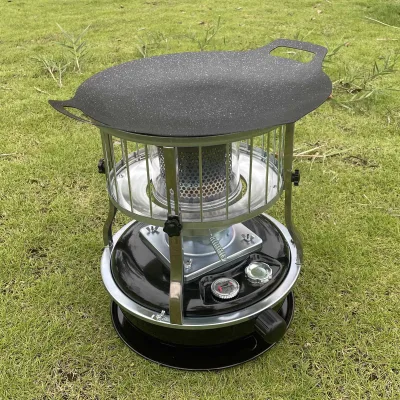
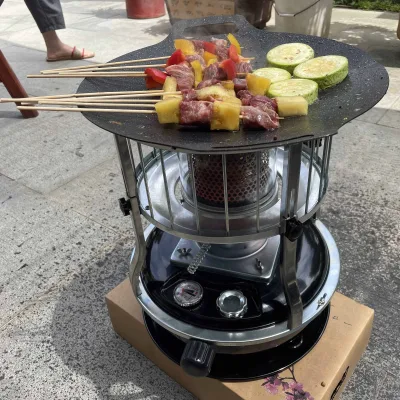
Yes, many listed models are marketed as combined kerosene heater and stove units suitable for camping, outdoor cooking, hiking, and travelling. The metal construction supports placing cookware on the top surface while the unit operates. Confirm the model's cooking capability with the supplier before ordering, and use the heater on stable, level ground away from flammable materials.
What customization and packaging options are available for bulk orders?
Customization is available from listed suppliers, including brand options such as Rito or OEM branding, with color choices of red, black, and white on some models. Units are typically packed one set per carton or in master cartons, sold as single items. Buyers placing bulk orders should confirm customization scope, packaging format, and labeling requirements directly with the supplier before production.
Can buyers source kerosene heaters with electric ignition features?
Some listed models combine kerosene fuel with 220V electrical equipment, indicating an electric ignition or power-assisted function alongside the kerosene power supply mode. This suits campsites with power access, while purely fuel-fed models work anywhere. Check each model's specifications, including the core motor component and any machinery test report availability, before committing to a particular configuration.